Glazing Cabinets For Traditional Kitchen With Faux 2025 Design
The kitchen is often referred to as the heart of the home, and its design plays a pivotal role in creating a warm, inviting, and functional space. For homeowners who appreciate the timeless elegance of traditional kitchens, glazing cabinets offers a way to enhance the beauty and sophistication of their design. In this article, we will explore the art of glazing cabinets for traditional kitchens, with a touch of "Faux 2025 Design" to create a look that seamlessly blends classic charm with modern sensibilities.
Understanding Traditional Kitchen Design
Before delving into the specifics of glazing, let’s first define what constitutes a traditional kitchen design. Traditional kitchens typically evoke a sense of history, craftsmanship, and elegance. They often feature:

VIEW PRODUCT ADD TO CARTRaised-Panel Cabinets: Cabinets with raised-panel doors are a hallmark of traditional kitchens. These panels add depth and dimension to the cabinetry.
Intricate Detailing: Look for ornate moldings, decorative hardware, and other intricate details that showcase craftsmanship.
Warm Color Palettes: Traditional kitchens often incorporate warm, inviting colors like creams, whites, beiges, and rich wood tones.
Natural Materials: Wood is a primary material in traditional kitchens, and you’ll often find granite or marble countertops.
Classic Fixtures: Traditional kitchens feature classic faucets, lighting fixtures, and appliances that complement the overall design.
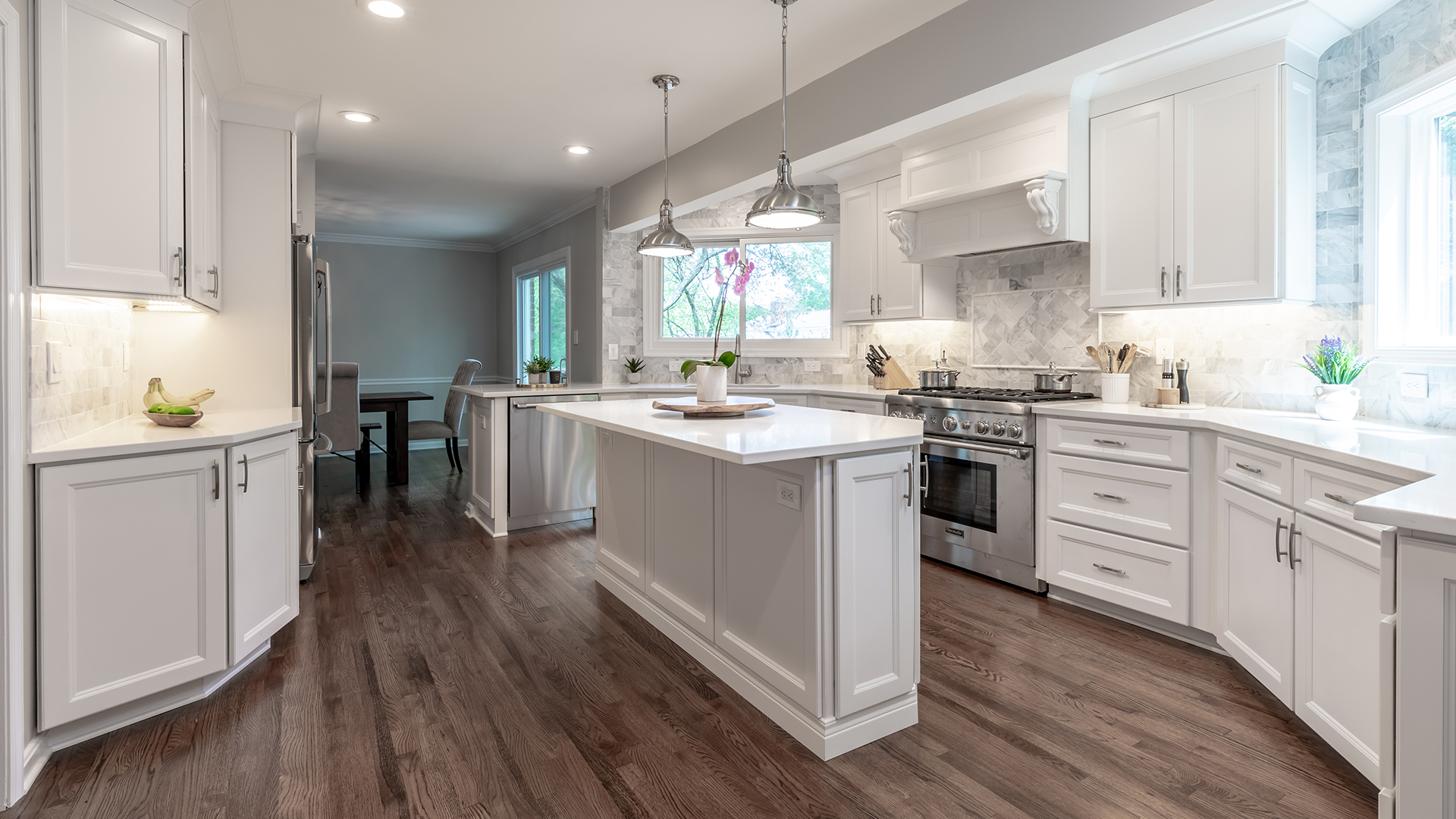
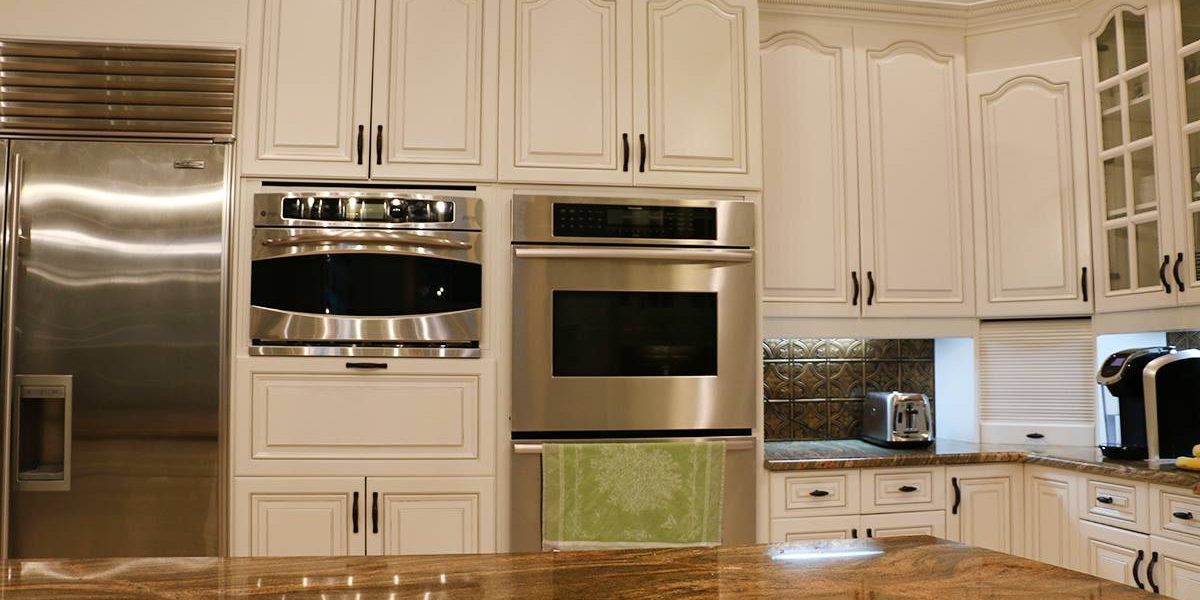

The Art of Glazing Cabinets
Glazing is a technique that involves applying a thin, semi-transparent coating to the surface of a cabinet, typically over a painted or stained finish. This glaze seeps into the recesses and details of the cabinet, creating depth, dimension, and a subtle antique or aged appearance. Glazing can enhance the character of traditional cabinets, making them look like cherished heirlooms.
Why Choose Glazing for Traditional Kitchen Cabinets?

VIEW PRODUCT ADD TO CARTEnhanced Depth and Dimension: Glazing accentuates the raised panels, moldings, and other details of traditional cabinets, adding depth and visual interest.
Antique Charm: It imparts a subtle antique or aged appearance, giving the cabinets a sense of history and character.
Customization: Glazing allows for customization, as you can choose the color and intensity of the glaze to achieve the desired effect.
Highlighting Wood Grain: When applied over stained cabinets, glazing can accentuate the natural beauty of the wood grain.
Versatility: Glazing complements a wide range of traditional kitchen styles, from country-inspired to formal and elegant.
Choosing the Right Glaze Color
Selecting the appropriate glaze color is crucial to achieving the desired look for your traditional kitchen cabinets. Here are some popular glaze color options:
Antique White: An antique white glaze adds a touch of vintage charm to cabinets painted in lighter colors like cream or white.
Brown or Van Dyke Brown: Brown glazes work well with warmer cabinet colors, such as beige, tan, or wood stains. They create a rich, aged appearance.
Black: A black glaze can add a dramatic touch to cabinets, especially when applied over lighter paint colors. It can create a striking contrast.
Gray: Gray glazes are versatile and can be used with a variety of cabinet colors. They provide a subtle, sophisticated effect.
Custom Colors: Consider working with a professional finisher to create a custom glaze color that perfectly complements your kitchen’s color scheme.
Glazing Techniques
There are several glazing techniques you can use to achieve different effects on your traditional kitchen cabinets:
Brush Glazing: This involves applying the glaze with a brush and then wiping away the excess with a clean cloth. It’s ideal for highlighting intricate details.
Spray Glazing: Spray glazing involves applying the glaze with a sprayer. This is a faster method, but it may not provide the same level of detail as brush glazing.
Dry Brushing: Dry brushing involves using a dry brush to apply a small amount of glaze to specific areas of the cabinet, creating a subtle, textured effect.
Rag Rolling: Rag rolling involves applying the glaze with a rag and then rolling the rag over the surface to create a unique, mottled texture.
"Faux 2025 Design": Blending Tradition with Modern Sensibilities
Now, let’s introduce the concept of "Faux 2025 Design." This approach involves taking classic traditional kitchen elements and infusing them with subtle, modern updates that hint at the future of design. Here’s how you can incorporate "Faux 2025 Design" into your glazed cabinet project:
Sleek Hardware: While traditional kitchens often feature ornate hardware, consider opting for sleek, minimalist knobs and pulls in brushed nickel or stainless steel. This adds a touch of contemporary flair without sacrificing the traditional aesthetic.
Under-Cabinet Lighting: Install energy-efficient LED under-cabinet lighting to illuminate your countertops. This provides both functionality and a modern, ambient glow.
Integrated Technology: Consider integrating smart kitchen technology, such as a touchscreen control panel for your appliances or voice-activated lighting. Hide these elements seamlessly within the traditional design.
Clean Lines: While traditional kitchens often feature intricate detailing, consider simplifying some of the lines and profiles of your cabinets. A slightly more streamlined approach can give the kitchen a fresh, updated look.
Unexpected Color Pops: Introduce pops of unexpected color through accessories, such as vibrant dishware, artwork, or textiles. These small touches can inject personality and modernity into the space.
Step-by-Step Guide to Glazing Cabinets
If you’re feeling adventurous, you can try glazing your kitchen cabinets yourself. Here’s a step-by-step guide:
Preparation:
- Remove the cabinet doors and drawers from their frames.
- Clean the surfaces thoroughly to remove any dirt, grease, or wax.
- Lightly sand the surfaces to create a slightly rough texture for the glaze to adhere to.
- Apply a coat of primer to ensure proper adhesion of the glaze.
Painting or Staining (Optional):
- If you want to change the base color of your cabinets, paint or stain them according to your desired finish. Allow the paint or stain to dry completely before proceeding.
Applying the Glaze:
- Using a brush, foam applicator, or sprayer, apply a thin, even layer of glaze to the cabinet surface.
- Work in small sections to prevent the glaze from drying too quickly.
Wiping Away the Excess:
- Use a clean, lint-free cloth to wipe away the excess glaze, leaving it only in the recesses and details of the cabinet.
- Experiment with different wiping techniques to achieve the desired level of antiquing.
Drying:
- Allow the glaze to dry completely according to the manufacturer’s instructions.
Sealing (Optional):
- For added protection, you can apply a clear sealant over the glazed surface. This will help protect the finish from wear and tear.
Reassembly:
- Once the glaze and sealant (if used) are completely dry, reattach the cabinet doors and drawers to their frames.
Tips for a Successful Glazing Project
- Practice: Before glazing your entire kitchen, practice on a sample piece of wood or an inconspicuous area of a cabinet.
- Work in a Well-Ventilated Area: Glazes can have strong odors, so ensure you’re working in a well-ventilated space.
- Use Quality Materials: Invest in high-quality glazes, brushes, and cloths for the best results.
- Take Your Time: Glazing is a delicate process, so don’t rush it. Take your time and pay attention to detail.
- Consider Professional Help: If you’re unsure about glazing your cabinets yourself, consider hiring a professional finisher.
Conclusion
Glazing cabinets is a fantastic way to enhance the beauty and character of traditional kitchens. By carefully selecting the right glaze color, mastering glazing techniques, and incorporating elements of "Faux 2025 Design," you can create a kitchen that seamlessly blends classic charm with modern sensibilities. Whether you choose to DIY or hire a professional, glazing is an investment that will transform your kitchen into a warm, inviting, and stylish space that you’ll love for years to come.


Comments
Post a Comment