Polished Concrete Countertops For Traditional Kitchen With Tv In The Kitchen 2025 Design
The kitchen, traditionally the heart of the home, continues to evolve as a central hub for cooking, socializing, and even entertainment. In 2025, the design landscape sees a compelling blend of classic and contemporary elements. One striking example is the integration of polished concrete countertops within a traditional kitchen setting, often enhanced by the presence of a thoughtfully integrated television. This article explores the nuances of this design trend, examining the benefits, considerations, and aesthetic possibilities it offers.
The Allure of Polished Concrete: A Modern Marvel
Polished concrete has surged in popularity in recent years, and for good reason. It presents a unique combination of characteristics that make it an ideal material for kitchen countertops:
- Durability: Concrete is renowned for its strength and resilience. When properly sealed and maintained, polished concrete countertops can withstand the rigors of daily kitchen use for decades. They are resistant to scratches, heat, and chipping, making them a practical choice for busy households.
- Customization: Concrete is incredibly versatile. It can be cast into virtually any shape or size, allowing for seamless integration into a variety of kitchen layouts. Pigments, aggregates (like glass, stone, or shells), and decorative inlays can be added to create a truly custom look.
- Aesthetic Appeal: The inherent texture and variations in concrete lend a natural, organic feel to a space. Polishing enhances this, creating a smooth, lustrous surface that is both elegant and modern.
- Sustainability: Concrete can be an eco-friendly choice, especially when using recycled aggregates or locally sourced materials. Its long lifespan also contributes to its sustainability.
- Thermal Properties: Concrete has excellent thermal mass, meaning it can absorb and retain heat. This can be advantageous in kitchens, helping to regulate temperature and reduce energy consumption.


The Timeless Charm of the Traditional Kitchen
The traditional kitchen evokes a sense of warmth, comfort, and nostalgia. Key characteristics of this style include:
- Classic Cabinetry: Raised-panel doors, ornate hardware, and intricate moldings are hallmarks of traditional kitchen cabinetry.
- Natural Materials: Wood, stone, and ceramic are common materials, often featuring rich colors and textures.
- Warm Color Palettes: Earth tones, creams, and soft whites are frequently used to create a welcoming atmosphere.
- Emphasis on Detail: Decorative accents, such as crown molding, corbels, and antique-style lighting, add character and visual interest.
- Functional Layout: Traditional kitchens often prioritize functionality, with ample storage space and a well-defined work triangle.

The Fusion: Bridging the Gap Between Old and New
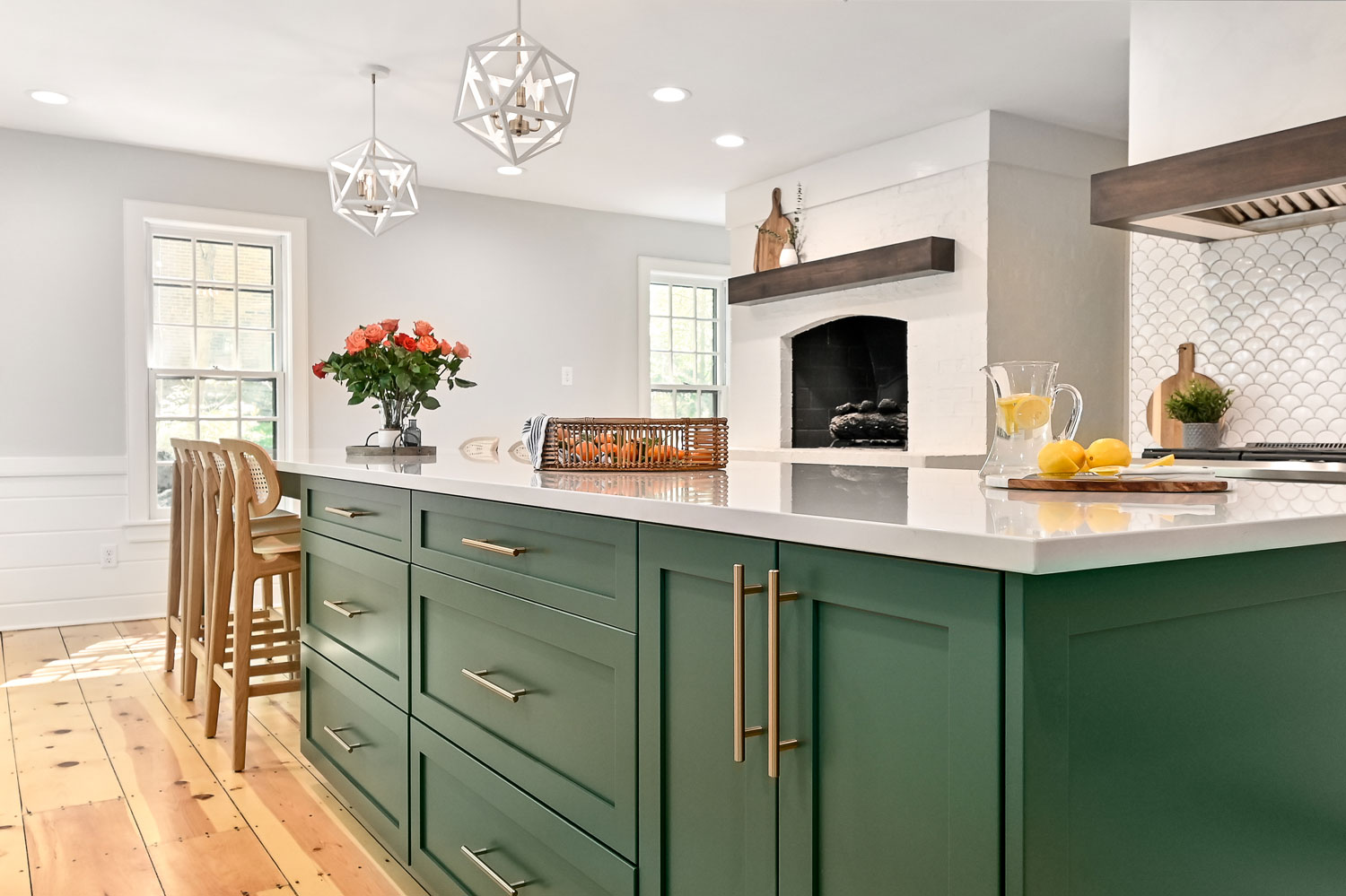
The combination of polished concrete countertops and a traditional kitchen design might seem unexpected at first, but it can create a stunning and harmonious result. The key is to strike a balance between the modern edge of the concrete and the timeless elegance of the traditional elements.
Here are some ways to achieve this fusion:
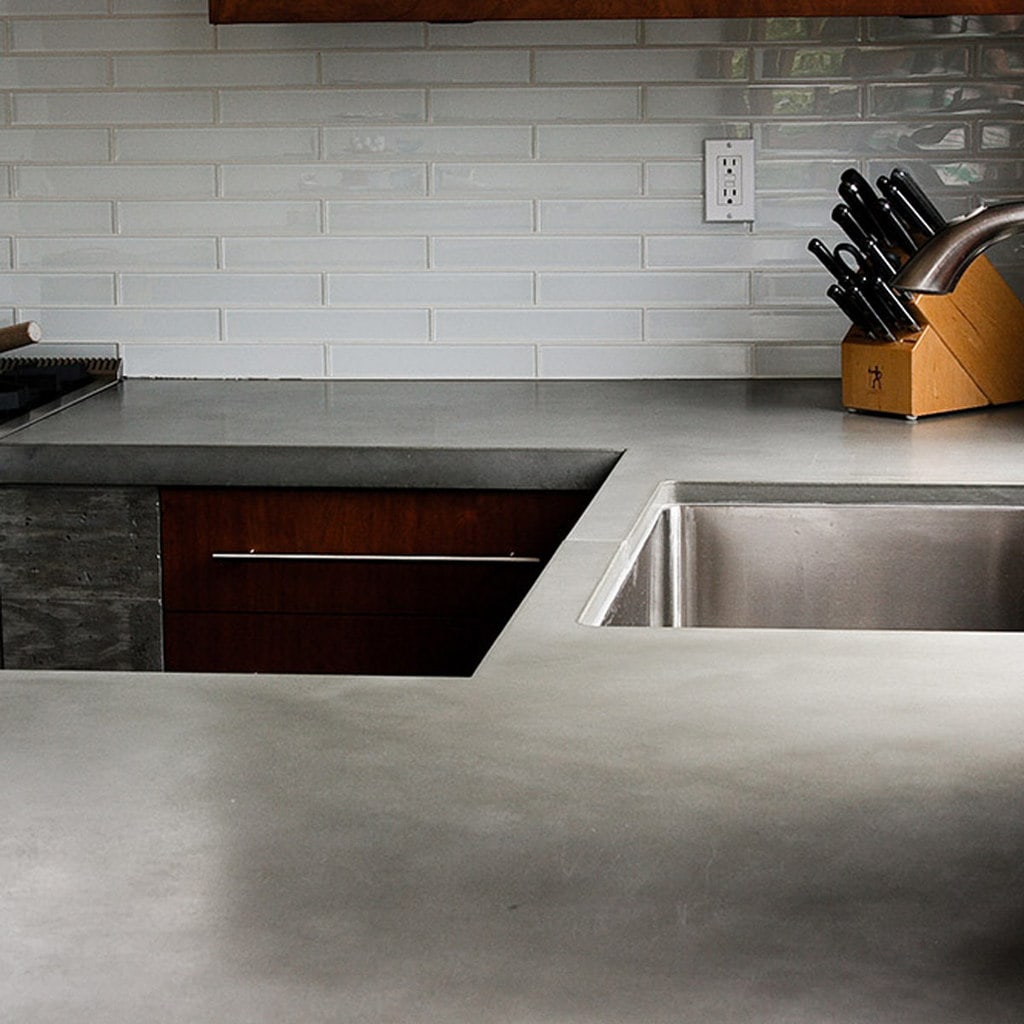
- Contrast and Complement: Use the concrete to provide a visual contrast to the traditional cabinetry. For example, pair dark-stained wood cabinets with light-gray polished concrete countertops. Alternatively, choose a concrete color that complements the cabinetry, such as a warm beige or a soft cream.
- Texture and Finish: Select a concrete finish that aligns with the overall aesthetic. A honed finish, which is less glossy than a polished finish, can create a more subtle and understated look that complements the traditional style.
- Edge Profiles: Choose an edge profile for the concrete countertops that echoes the detailing of the cabinetry. A bullnose edge, for example, can soften the look of the concrete and create a more cohesive design.
- Hardware and Fixtures: Select hardware and fixtures that blend seamlessly with both the concrete and the traditional elements. Consider using brushed nickel or oil-rubbed bronze finishes for faucets, cabinet pulls, and lighting fixtures.
- Accessories and Décor: Incorporate traditional accessories and décor items to enhance the overall aesthetic. Antique-style canisters, wooden cutting boards, and vintage artwork can add character and warmth to the space.
The Integrated Television: A Modern Entertainment Hub
In 2025, the kitchen is increasingly becoming a multifunctional space. The integration of a television into the kitchen design is a natural extension of this trend. Whether it’s for catching up on the news while preparing meals, watching cooking shows for inspiration, or simply enjoying entertainment with family and friends, a television can enhance the kitchen experience.
Here are some considerations for integrating a television into a traditional kitchen with polished concrete countertops:
- Placement: The placement of the television is crucial. Consider the viewing angles from different areas of the kitchen, such as the cooking area, the dining area, and any seating areas. Common locations include above the countertop, built into cabinetry, or mounted on a wall.
- Size: Choose a television size that is appropriate for the size of the kitchen. A larger television can be overwhelming in a small kitchen, while a smaller television may be difficult to see from a distance.
- Style: Select a television that complements the overall aesthetic of the kitchen. Consider the color, finish, and design of the television to ensure that it blends seamlessly with the other elements.
- Concealment: If desired, the television can be concealed when not in use. This can be achieved by using a cabinet door, a retractable screen, or a hidden compartment.
- Technology: Explore the latest television technology, such as smart TVs with built-in streaming services and voice control. This can enhance the functionality and convenience of the television.
- Integration: Consider the integration of the television with other smart home devices, such as lighting, sound systems, and appliances. This can create a seamless and automated kitchen experience.
Polished Concrete Countertop Colors and Styles for 2025
In 2025, we’ll see a wider range of colors and styles for polished concrete countertops, allowing for even greater customization and design flexibility.
- Natural Grays: These classic shades of gray will remain popular, offering a neutral backdrop that complements a variety of traditional kitchen colors.
- Warm Beiges and Creams: These colors add warmth and softness to the kitchen, creating a more inviting atmosphere.
- Earthy Tones: Terracotta, ochre, and olive green will be used to bring a touch of nature into the kitchen.
- Bold Accents: Deep blues, emerald greens, and even metallic accents will be incorporated as statement pieces.
Style Trends:
- Exposed Aggregates: Incorporating decorative aggregates like recycled glass, pebbles, or shells will add texture and visual interest to the countertops.
- Veining and Marbling: Techniques that mimic the look of natural stone, such as marble or granite, will become more sophisticated.
- Integrated Sinks: Seamlessly integrating concrete sinks into the countertops will create a clean and modern look.
- Custom Inlays: Decorative inlays, such as geometric patterns, floral designs, or personalized motifs, will be used to create unique and personalized countertops.
Lighting Considerations
Proper lighting is essential for both functionality and aesthetics in a kitchen. When incorporating polished concrete countertops and a television, consider the following:
- Ambient Lighting: Overhead lighting, such as recessed lights or pendant lights, provides general illumination for the kitchen.
- Task Lighting: Under-cabinet lighting illuminates the countertops for food preparation and other tasks.
- Accent Lighting: Decorative lighting, such as sconces or spotlights, highlights specific features of the kitchen, such as the concrete countertops or the television.
- Natural Light: Maximize natural light by incorporating large windows or skylights.
- Glare Reduction: Polished concrete can be reflective, so it’s important to minimize glare by using dimmer switches and strategically positioning light fixtures.
Maintenance and Care
Polished concrete countertops are relatively easy to maintain, but they do require some care to keep them looking their best.
- Sealing: Concrete countertops should be sealed regularly to protect them from stains and water damage.
- Cleaning: Clean countertops with a mild soap and water solution. Avoid using harsh chemicals or abrasive cleaners.
- Protecting: Use cutting boards and trivets to protect the countertops from scratches and heat.
- Waxing: Waxing the countertops can help to maintain their shine and protect them from wear and tear.
Conclusion
The combination of polished concrete countertops, a traditional kitchen design, and an integrated television represents a forward-thinking approach to kitchen design in 2025. By carefully balancing the modern and classic elements, it is possible to create a space that is both stylish and functional. The versatility of concrete, the timeless charm of the traditional kitchen, and the convenience of a television come together to create a space that is truly the heart of the home. As technology advances and design trends evolve, this fusion of styles will continue to adapt and inspire, shaping the future of kitchen design.


Comments
Post a Comment